
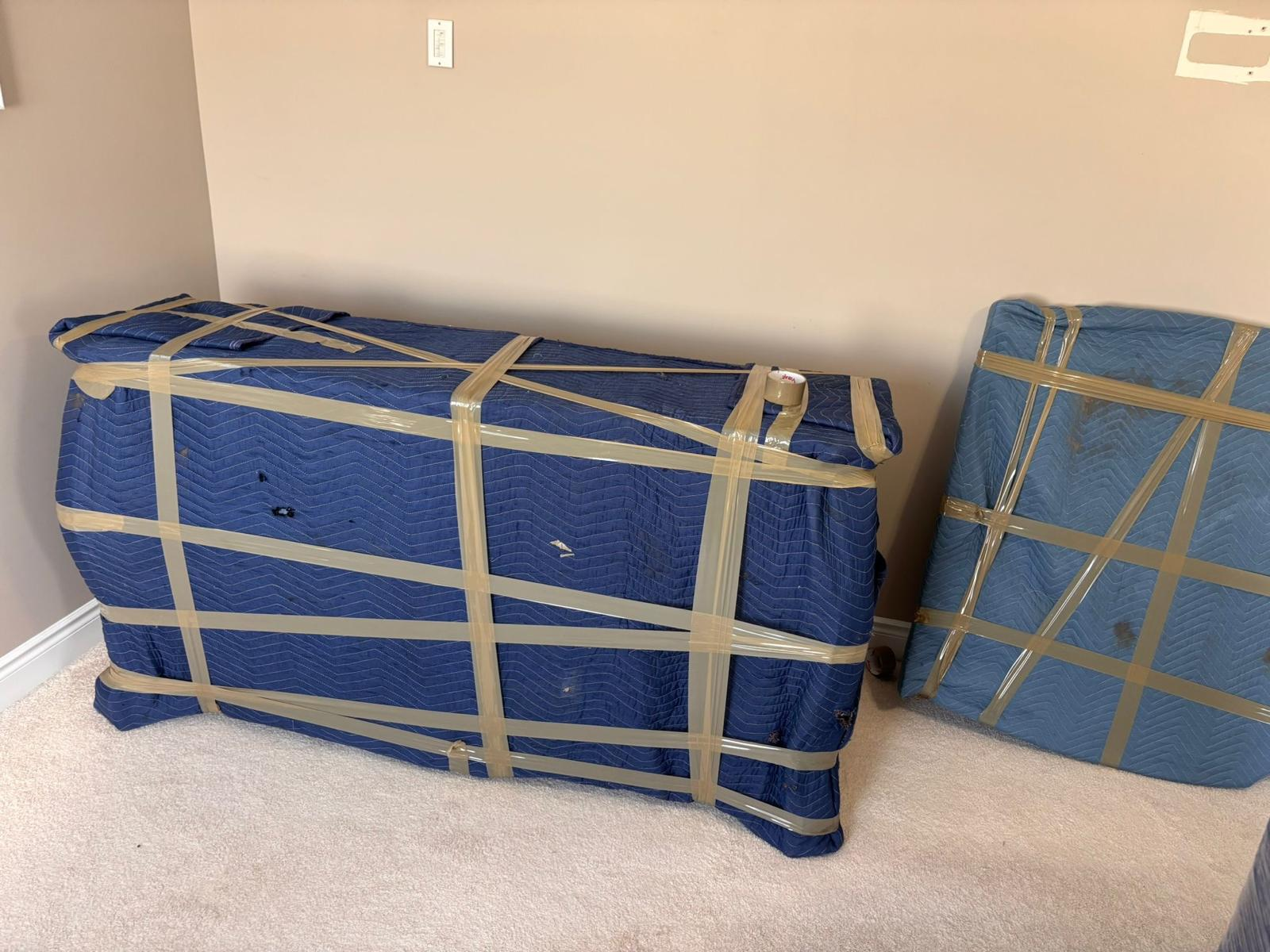
Residential moving is the process of relocating your household belongings from one home to another, whether you are moving from an apartment, condo, townhouse, or detached house. A successful move depends on preparation, organization, careful packing, and choosing the right moving company when professional help is needed.
The best way to move is to start early, create a checklist, sort your belongings, pack room by room, label every box, and book reliable movers before your moving date. Professional movers can help with packing, loading, transportation, unloading, and even storage, depending on the services you choose. For families, busy professionals, seniors, and anyone moving in a large city, working with experienced movers can reduce stress and protect valuable items during the relocation.
What Is Residential Moving?
Residential moving refers to relocating personal household items from one residence to another. This can include furniture, appliances, clothing, electronics, kitchenware, decor, fragile items, personal documents, and outdoor equipment.
Unlike commercial moving, which focuses on offices and business equipment, residential moving is centered around homes and personal belongings. Every home move is different. Some people move from a small apartment with only a few boxes, while others move an entire family home with large furniture, delicate items, and years of possessions.
A professional residential moving company usually offers services such as:
- Packing and unpacking
- Furniture disassembly and assembly
- Loading and unloading
- Local moving
- Long-distance moving
- Specialty item moving
- Moving supplies
Choosing the right level of service depends on your budget, schedule, home size, and how much work you want to handle yourself.
Why Planning Matters Before a Home Move
Good planning is one of the most important parts of emergency residential moving. Many moving problems happen because people wait until the last minute. Boxes are not packed, addresses are not updated, movers are not booked, and important items get misplaced.
A clear plan helps you save time, reduce stress, and avoid unnecessary costs. Ideally, you should begin preparing at least four to six weeks before your moving date. For larger homes or long-distance moves, starting even earlier is better.
Planning ahead gives you enough time to compare moving companies, collect packing supplies, declutter your home, notify service providers, and organize your belongings properly.
Step-by-Step Residential Moving Checklist
A moving checklist keeps everything on track. Here is a simple timeline to follow.
6 Weeks Before Moving
Start by reviewing your home and deciding what you want to keep, donate, sell, or throw away. Moving is much easier when you have fewer items to pack and transport.
This is also the right time to research a moving company. Look for companies with experience, clear pricing, good reviews, and professional customer service. If you need moving services Canada wide or within a specific city, check that the company serves your location.
4 Weeks Before Moving
Begin collecting packing materials such as boxes, tape, bubble wrap, packing paper, markers, and labels. Start packing items you do not use daily, such as seasonal clothing, books, decorations, and extra kitchen items.
Contact your utility providers, internet company, insurance provider, and any subscription services to update your address or schedule service changes.
2 Weeks Before Moving
Pack most non-essential items. Confirm your moving date, arrival time, address, and service details with your movers. If you live in a condo or apartment, reserve the elevator and ask about building moving rules.
Prepare a folder with important documents, including ID, lease or purchase papers, moving company agreement, insurance details, and contact numbers.
Finish most of your packing. Keep only essentials available. Clean appliances, empty storage areas, and label boxes clearly. Pack an essentials box with items you will need immediately after arriving at your new home.
Moving Day
Wake up early and make sure walkways are clear. Keep children and pets safe in a separate area. Do a final walkthrough before leaving your old home. Check closets, cabinets, drawers, garage areas, and storage rooms.
At your new home, guide movers on where to place furniture and boxes. Review your belongings before signing final paperwork.
Home Moving Tips for an Easier Move
The right strategy can make your move much smoother. These home moving tips are useful for both DIY moves and moves with professional help.
Declutter Before Packing
Do not pay to move items you no longer need. Go through each room and remove things that are broken, unused, outdated, or duplicated. Donate usable items, sell valuable pieces, and dispose of anything that cannot be reused.
Decluttering helps lower moving costs, reduces packing time, and makes your new home easier to organize.
Pack Room by Room
Packing one room at a time keeps your belongings organized. Start with low-use areas such as storage rooms, guest rooms, basements, and garages. Leave daily-use spaces like the kitchen and bedroom for later.
Avoid mixing items from different rooms in the same box. This makes unpacking more confusing and time-consuming.
Label Every Box Clearly
Write the room name and basic contents on every box. For example, “Kitchen – Plates and Glasses” or “Bedroom – Winter Clothes.” You can also use color-coded labels for each room.
Mark fragile boxes clearly so movers know to handle them with extra care.
Use the Right Box Sizes
Heavy items like books should go in small boxes. Light items like bedding and pillows can go in larger boxes. Overpacking large boxes can make them difficult to lift and more likely to break.
Use strong boxes and quality tape to protect your belongings.
Protect Fragile Items
Wrap glassware, dishes, mirrors, artwork, and electronics carefully. Use bubble wrap, packing paper, towels, or soft clothing as padding. Fill empty spaces inside boxes so items do not shift during transportation.
For expensive or sentimental items, consider asking your moving company in West Vancouver about specialty packing options.
Pack an Essentials Box
Your essentials box should include items you need during the first 24 hours in your new home. This may include:
- Toiletries
- Phone chargers
- Medications
- Snacks and water
- Basic tools
- Cleaning supplies
- Change of clothes
- Toilet paper
- Important documents
- Pet supplies
Keep this box with you instead of loading it onto the moving truck.
How to Choose the Right Moving Company
Choosing a moving company is one of the most important decisions in your residential moving process. A reliable mover can make your relocation easier, safer, and more efficient. A poor choice can lead to delays, damage, hidden fees, and unnecessary stress.
When comparing movers, look for experience, transparent pricing, proper equipment, insurance options, and positive customer reviews. Ask for a written estimate and make sure you understand what is included.
If you need a moving company Toronto residents can trust, choose movers who understand traffic, condo rules, parking limitations, and neighborhood access. If you need a moving company North York homeowners recommend, look for local experience in that area and flexible scheduling.
Benefits of Hiring Professional Moving Services
Many people wonder whether they should move themselves or hire professionals. A DIY move may seem cheaper at first, but it often requires truck rental, fuel, equipment, packing supplies, physical labour, and help from friends or family.
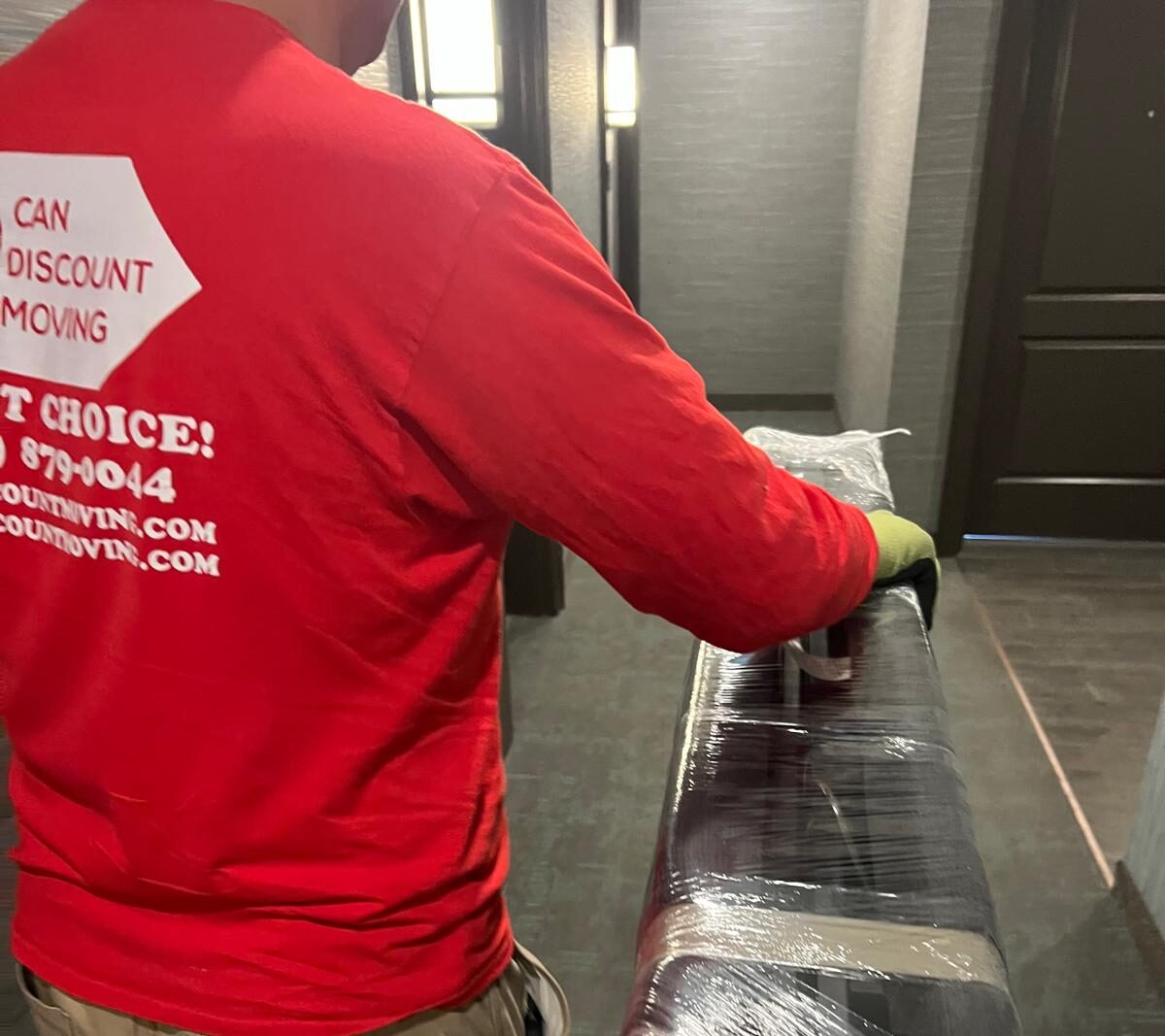
Professional movers bring experience, tools, moving blankets, dollies, straps, and a trained team. They know how to move heavy furniture, protect floors and walls, load the truck safely, and reduce the risk of damage.
Professional movers can save time, reduce physical strain, and make the entire process more organized.
Common Residential Moving Mistakes to Avoid
Even a simple home move can become stressful if you make common mistakes. One major mistake is waiting too long to book movers. Good moving companies often get busy, especially during weekends, month-end dates, summer months, and holidays.
Another mistake is failing to measure furniture and doorways. Before moving day, check that large items can fit through doors, hallways, elevators, and staircases.
People also often forget to update their address. Notify banks, government offices, insurance providers, schools, employers, delivery services, and healthcare providers before you move.
Final Thoughts: Make Your Residential Move Simple and Stress-Free
Residential moving does not have to be stressful when you have the right plan. Start early, stay organized, declutter your home, pack carefully, and choose a moving company that fits your needs. Whether you are moving across the street, across Toronto, from Burlington, or to another city in Canada, preparation is the key to a smooth experience.
Contact Can Discount Moving today to make moving less stressful for you.